What is Expressive Arts Therapy?
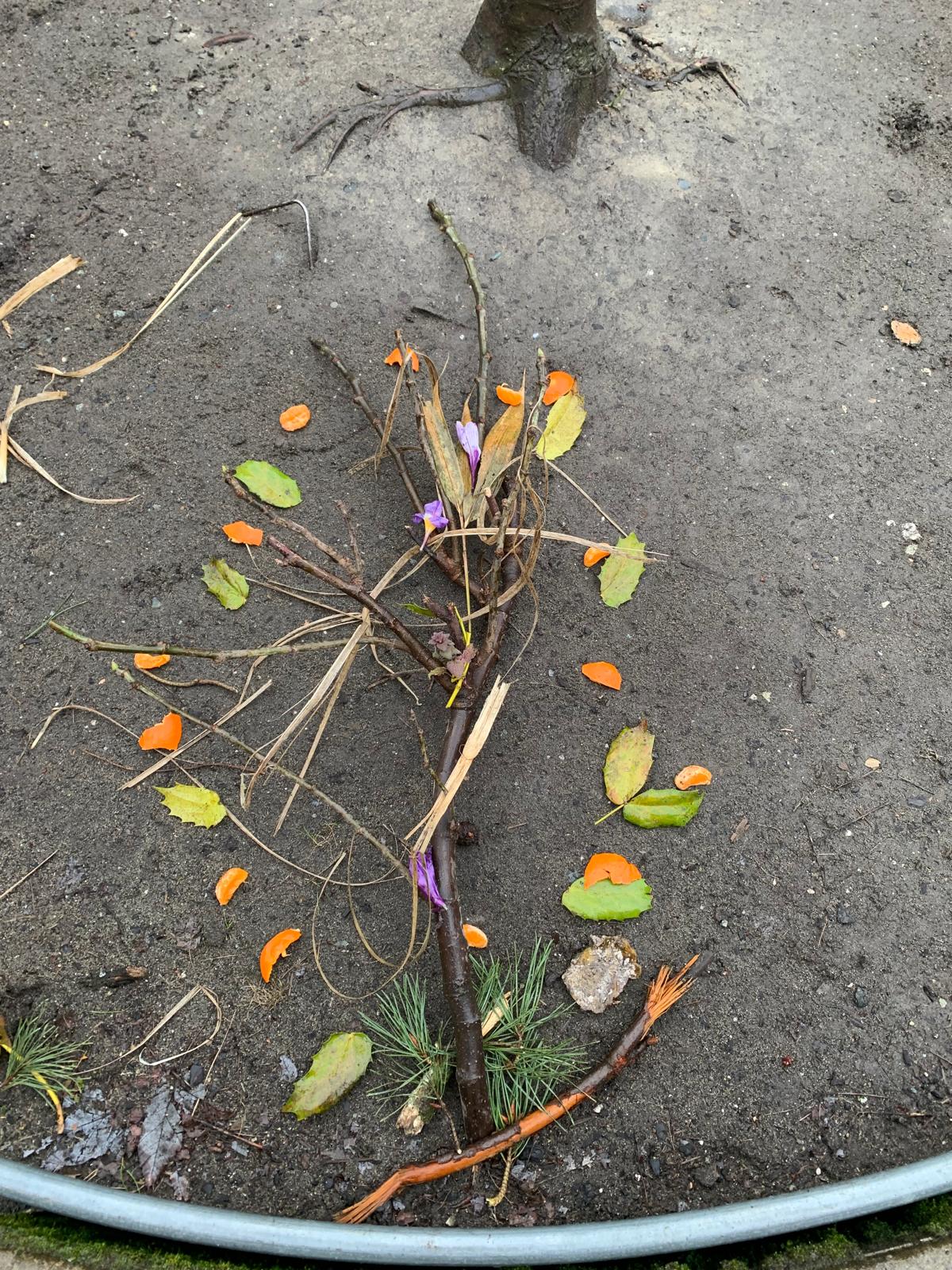
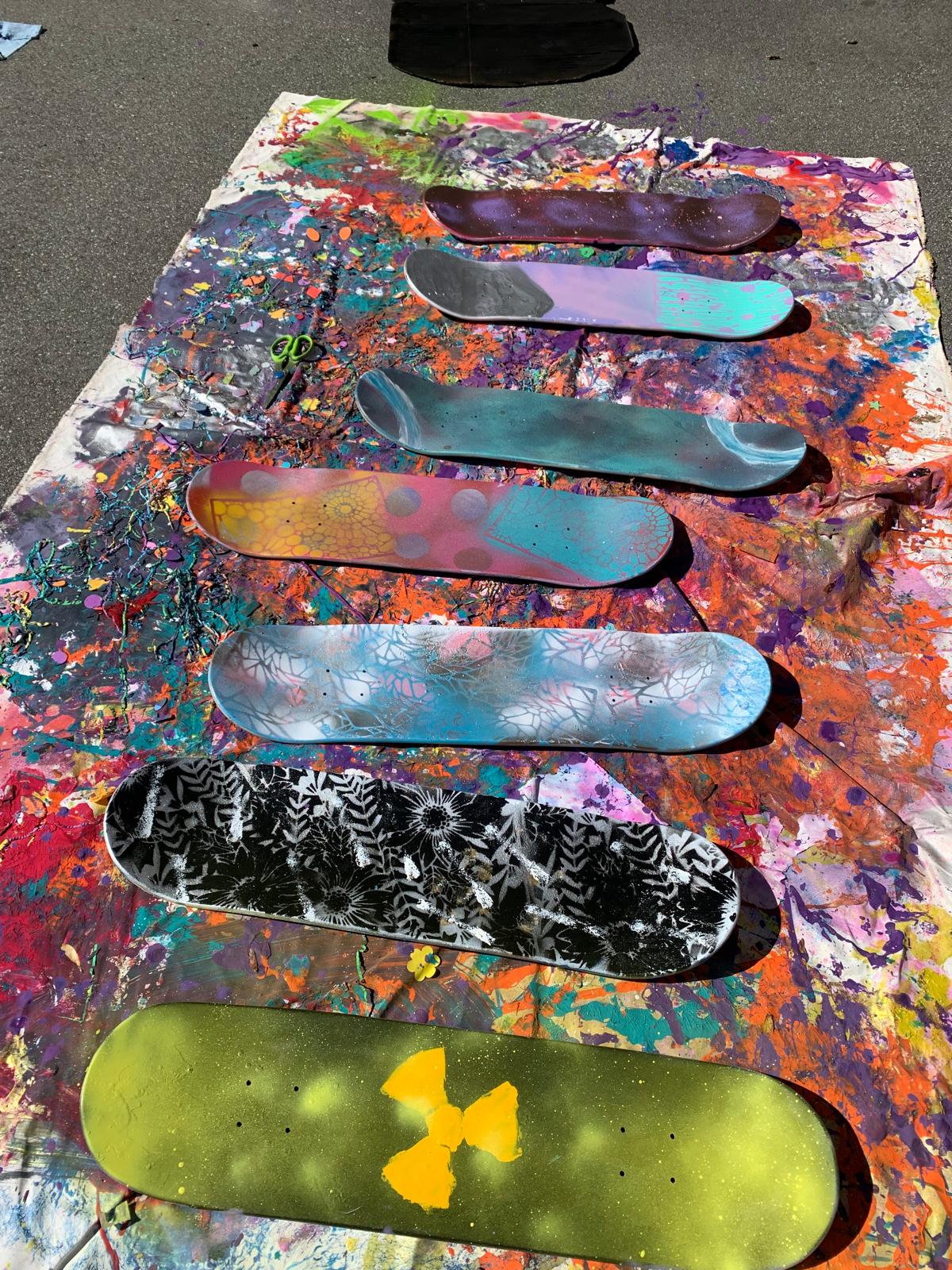
Expressive Arts Therapy is a way of therapy that uses different art methodologies (such as movement, sound, visual art, photography, play, poetic expression, storytelling, eco-based practices) for self expression. By working with the sensory properties of materials, and various modalities, by taking action and literally forming responses to life circumstances, clients are invited to self-reflect, make choices, navigate limitations and frustrations, express and explore solutions.
Expressive arts therapies may involve engaging with many different art forms while using your senses to explore the outer and the inner world. Expressive arts practitioners supports you in communicating how the process of art making was for you and explore the surprises or difficulties that came up for you during art making. Through art making, one might explore non verbal language of creativity and communicate inner feelings that were not previously available to you by simply thinking or talking about them.
The Power of Imagination
Expressive arts therapy is formed around the concept of ‘poiesis’. It is the natural process of moving from everyday expectations into the world of imagination and creativity that results in art-making. Creativity may lead to expression of inner feelings, leading to a process of self-discovery and understanding.
While engaging with the arts, clients could review and make meaning of their lives, tell their life stories, as well as work through and heal from traumatic experiences or simply play and move away from everyday struggles allowing different ways to come.
All of the art modalities are interconnected in its nature, there is a natural interlinkage between it all; visual arts, movements, sound and dramatic play.
Frequently Asked Questions
Do I have to have a high technical skill in art making to benefit from expressive arts therapy?
No. The therapeutic work is based on the creative process, not on the final result, therefore, it is not important to have a high skill level in art making. One of main components of expressive arts therapy is to meet where people at therefore expressive arts therapy could look different with every individual.
Is it similar to talking based therapies?
Expressive arts therapy is based on engaging with arts, in that way it is different from traditional talk therapies. However there is definitely talking involved.
Do I have to engage with the arts if I don’t want to?
No, you don’t have to engage in arts if you don’t feel like it. It is all about where you are at and what you need at the moment.
Is Expressive Arts Therapies only for children?
No, expressive arts therapy is indeed for everyone, regardless of age. Children especially benefit from it greatly since it is very play-based, allowing them to express themselves in a comfortable and natural way. This non-limiting approach fosters a sense of creativity and exploration, which can greatly aid in emotional development and self-discovery. Additionally, adults also find expressive arts therapy to be very effective, as it offers diverse and engaging ways to express themselves. By incorporating various forms of art, individuals can tap into their emotions and experiences, often in ways that traditional talk therapy may not allow. This offers a unique and valuable outlet for self-expression and exploration, promoting mental and emotional well-being for people of all ages.
I am a neuro-diverse person. Would I benefit from Expressive Arts Therapies?
Expressive arts therapy is a neuro-affirming form of therapy that embraces various creative modalities, such as visual arts, movement, music, and drama. By engaging in these non-verbal or alternative forms of expression, individuals can tap into deeper layers of their emotions and experiences. This holistic approach focuses on expression through multiple senses, allowing individuals to explore and process their thoughts and feelings in a dynamic and immersive way. In doing so, it nurtures a sense of empowerment and self-discovery, shining a light on the inherent strengths and resources within each person. Rather than solely addressing symptoms, expressive arts therapy prioritizes the cultivation and utilization of people’s innate abilities and positive attributes, fostering a path towards holistic well-being and personal growth.
 Yağmur Aksu Therapy